
Understanding Sports Broadcasting
What is Sports Broadcasting?
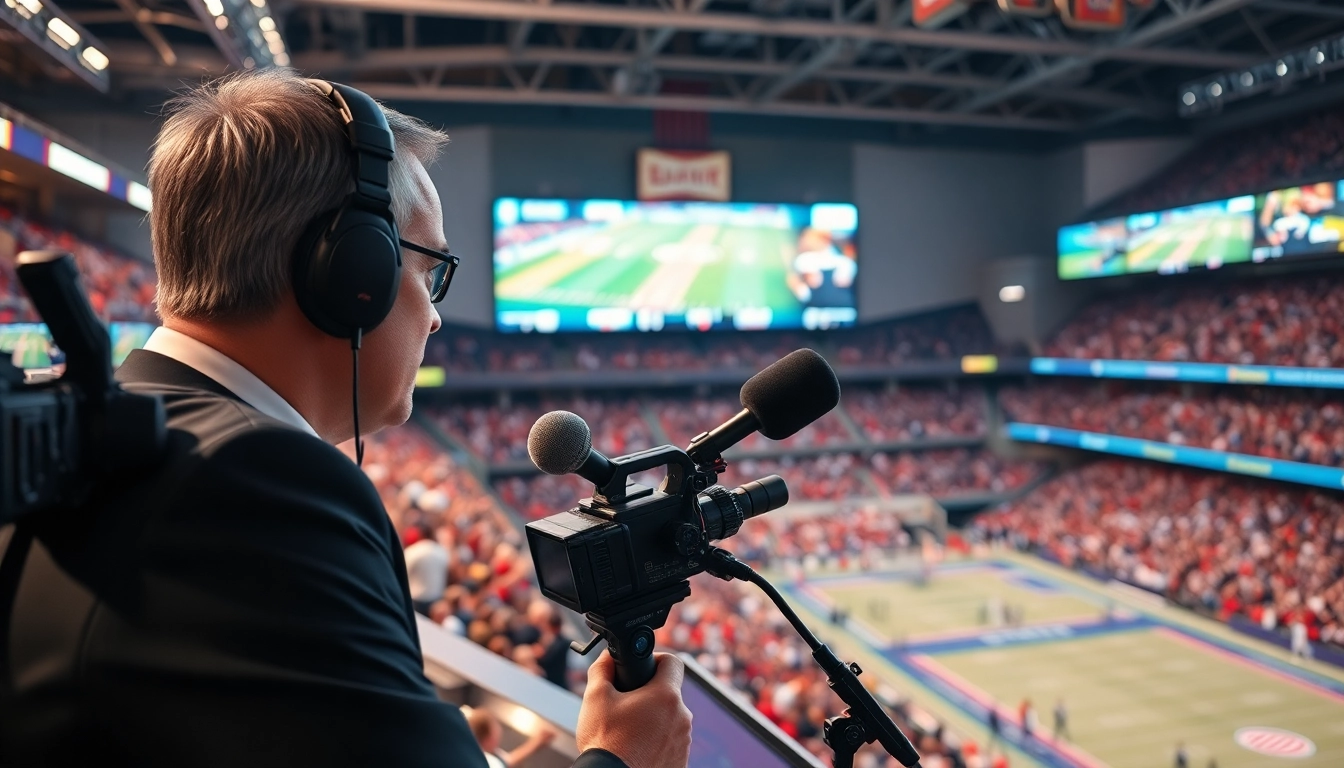
Sports Broadcasting is the dissemination of sports-related content through various media channels, including television, radio, and online platforms. It encompasses live game coverage, sports news, analyses, interviews, and feature stories. The primary goal is to entertain and inform audiences about sports events while generating advertising revenue and promoting the sport itself. As the demand for instant access to sports content grows, the landscape of Sports Broadcasting continues to evolve rapidly, shaping how fans engage with their favorite teams and athletes. To delve deeper into the intricacies of this field, one can explore comprehensive insights on Sports Broadcasting.
History and Evolution of Sports Broadcasting
The roots of sports broadcasting can be traced back to the early 20th century when radio became a popular medium. The first live sports broadcast occurred in 1921 when a boxing match was aired. Following this, the 1936 Berlin Olympics marked the introduction of live television broadcasts for sports events, captivating audiences worldwide. The landscape transformed dramatically in the latter half of the 20th century with the advent of cable and satellite TV, allowing more channels dedicated to sports. Today, digital streaming has added an entirely new dimension, offering fans on-demand access to a plethora of sports content across platforms.
Key Players in Sports Broadcasting
This industry features a wide array of key players, including broadcasting networks, production companies, leagues, and digital platforms. Major television networks like ESPN and NBC Sports wield significant influence, while social media platforms like YouTube and Facebook are increasingly becoming prominent avenues for sports content distribution. Additionally, production companies that create sports shows and advertisements play an essential role in delivering quality content. The collaboration between these entities ensures that fans receive comprehensive coverage of events, regardless of where they are or how they prefer to consume media.
Essential Skills for Sports Broadcasting
Communication Skills
Effective communication is paramount in Sports Broadcasting. Broadcasters must articulate information clearly and engagingly, conveying the game’s nuances to audiences who may have varying levels of understanding. Strong verbal skills are complemented by the ability to listen and interact seamlessly with guests, players, and analysts during live coverage. Moreover, non-verbal communication, including tone and body language during on-camera segments, significantly impacts the broadcaster’s ability to connect with the audience.
Knowledge of the Game
A deep understanding of the sport being covered is non-negotiable. Broadcasters must be well-versed in rules, strategies, player statistics, and team dynamics. This depth of knowledge allows them to provide insightful commentary, engage in meaningful discussions, and anticipate in-game developments that may interest viewers. Continuous learning and staying updated with the latest trends in sports are essential to remain competitive in this fast-paced environment.
Technical Proficiency
With the rise of digital media, technical skills have become vital in Sports Broadcasting. Broadcasters should be familiar with using audio and visual equipment effectively and understand broadcasting software for editing and live-streaming. Familiarity with various platforms, including social media and streaming services, is also vital, ensuring content can be distributed efficiently and reaches target audiences across channels.
Current Trends in Sports Broadcasting
The Rise of Streaming Services
Streaming services have revolutionized how audiences consume sports content. Viewers can now access live games and highlights personalized to their interests, often with fewer restrictions than traditional cable providers. Platforms like Hulu Live, YouTube TV, and specialized sports streaming services offer packages that cater to diverse fan bases, allowing for flexible viewing experiences. This shift has also pushed traditional broadcasters to adapt their models, incorporating digital strategies to stay competitive.
Social Media’s Impact on Sports Broadcasting
Social media platforms have become indispensable tools for promoting sports broadcasts, engaging with fans, and delivering real-time updates. Broadcasters can utilize Twitter, Instagram, and TikTok to provide live commentary, behind-the-scenes footage, and post-event analyses. Engaging with audiences on these platforms fosters a sense of community among fans, enhancing their viewing experience and driving up interest in televised broadcasts.
Virtual Reality and Augmented Reality in Sports
Virtual Reality (VR) and Augmented Reality (AR) are rapidly emerging technologies in Sports Broadcasting that enhance the fan experience. VR allows viewers to immerse themselves in live events, providing a 360-degree perspective that was previously unattainable. AR enhances broadcasts by overlaying digital information onto the physical environment, such as player stats and interactive graphics during live matches. These technologies not only engage viewers more effectively but also create new revenue streams for broadcasters through innovative sponsorship opportunities.
Challenges in Sports Broadcasting
Maintaining Viewer Engagement
In an age of abundant content, capturing and retaining viewer attention is increasingly challenging. Broadcasters must continually innovate to present games and analyses engagingly, utilizing storytelling techniques that resonate with audiences. Implementing interactive features, such as polls or Q&A sessions during broadcasts, can also enhance viewer participation and loyalty, transforming passive viewers into active participants.
Adapting to Technological Changes
The rapid technological advancements in media demand that Sports Broadcasting adapt to remain relevant. Broadcasters must invest in training their personnel on emerging technologies and modern broadcasting tools while consistently analyzing viewer behaviors to determine which innovations can improve their offerings. This adaptability will help organizations stay competitive and appeal to a younger audience accustomed to high-quality, on-demand content.
Regulatory and Ethical Considerations
Sports Broadcasting faces various regulatory and ethical challenges, from broadcasting rights and intellectual property to issues surrounding sports gambling. Understanding the legal landscape is crucial in safeguarding the interests of broadcasters, teams, and viewers alike. It is vital for broadcasters to uphold ethical standards, providing accurate information while respecting the rights of athletes and the integrity of the sports they cover.
Future of Sports Broadcasting
Emerging Technologies
As technology evolves, so too will Sports Broadcasting. The emergence of Artificial Intelligence (AI) in content creation, data analytics, and personalized viewer experiences heralds a new era. AI can help create tailored content, enhance viewer engagement through individualized recommendations, and streamline broadcasting operations, allowing for even more innovative coverage of live events.
Globalization of Sports Broadcasts
The globalization of sports has expanded the audience base significantly, leading to more international collaborations in broadcasting. Sports leagues are now tapping into global markets, providing broadcasts in multiple languages and incorporating local advertising strategies. Such globalization presents opportunities for broadcasters to diversify their offerings and attract a broader audience, contributing to the worldwide popularity of sports.
Building a Personal Brand as a Broadcaster
In a competitive market, personal branding is crucial for broadcasters seeking to establish themselves. Developing a unique voice, engaging storytelling style, and an authentic connection with audiences can set an individual apart. Utilizing social media to showcase expertise, share insights, and interact with fans contributes to building a loyal following, making broadcasters more attractive to networks and sponsors alike.
Frequently Asked Questions
1. What qualifications are needed for a career in Sports Broadcasting?
While formal education in journalism, communications, or broadcasting is common, practical experience, strong communication skills, and in-depth sports knowledge are crucial for success in this field.
2. How has technology changed sports broadcasting?
Technology has introduced streaming services, enhanced graphics, and real-time data analytics, transforming how audiences consume sports content and how broadcasters deliver it.
3. What role do social media influencers play in sports broadcasting?
Social media influencers enhance engagement by leveraging their platforms to provide commentary and insights, drawing younger audiences and bridging the gap between fans and broadcasted events.
4. Why is viewer engagement important in Sports Broadcasting?
Viewer engagement helps maintain audience interest, fosters loyalty, and drives advertising revenue, making it essential for the long-term viability of sports broadcasts.
5. How can aspiring broadcasters build their brand?
Aspiring broadcasters can build their brand by participating in social media, producing unique content, networking with industry professionals, and consistently engaging with their audience.